
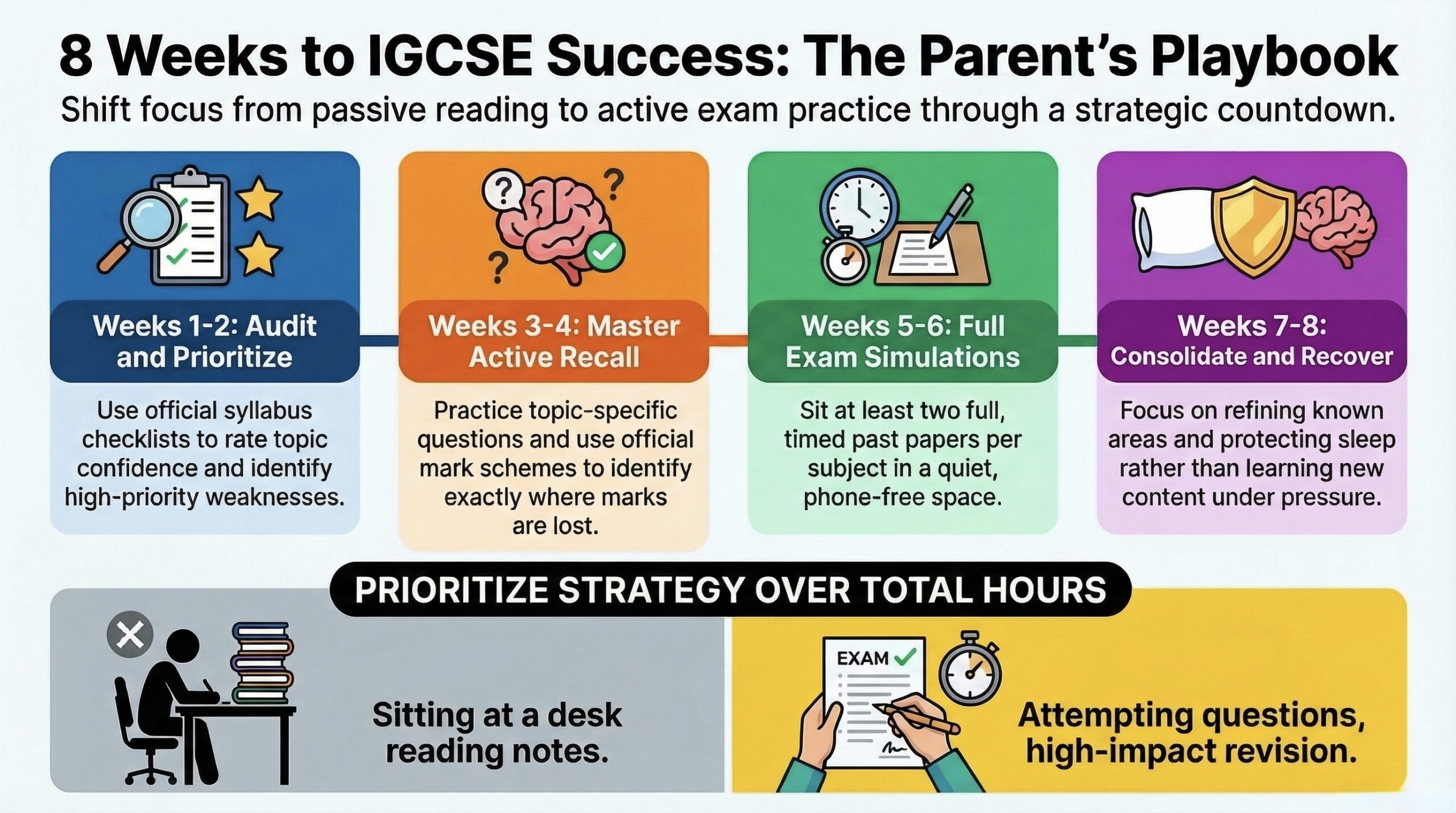
Your child’s exams are 8 weeks away. Here is exactly what they should be doing, and how you can support them without adding to the pressure.
By Muneeb Farooq · March 2026 · 7 min read
Eight weeks sounds like a long time. It isn’t. Once you account for school days, Easter holidays, mock follow-ups, and the inevitable slow start to revision, the effective window shrinks fast.
But here is the good news: 8 weeks, used correctly, is more than enough to make a significant difference to your child’s grades. The key word is correctly. Most students spend this period doing the wrong kind of revision, and most parents don’t know what to look for.
This guide will change that.
Why the Last 8 Weeks Are Different
Before April, revision is about building knowledge. After April, it is about applying it under exam conditions. These are two completely different skills, and they require two completely different approaches.
A student who has spent months reading notes and making flashcards may still underperform in the exam if they have never practised writing answers against the clock, using a mark scheme, and identifying where they drop marks.
The last 8 weeks are not revision time. They are exam practice time. That distinction matters enormously.
Week by Week: What Your Child Should Be Doing
Weeks 1 and 2: Audit and Prioritise
Before your child touches a past paper, they need an honest picture of where they stand. This means going through every topic on the syllabus and rating their confidence honestly, not optimistically.
Most exam boards publish a full topic checklist as part of their specification document. If your child does not have one, it takes five minutes to download it from the exam board website.
The goal of these two weeks is to produce a priority list: the topics most likely to appear in the exam and where your child is weakest. These become the focus of everything that follows.
What you can do as a parent: Sit down with your child and go through the list together. Ask them to rate each topic out of 5. Do not argue with their ratings. The point is to get an honest picture, not a reassuring one.
Weeks 3 and 4: Targeted Topic Practice
With a priority list in hand, your child should now work through past paper questions topic by topic, not full papers yet. Most exam board websites and platforms like Physics and Maths Tutor organise past paper questions by topic, making this straightforward.
The process for each topic should be:
- Attempt the question under timed conditions
- Mark it using the official mark scheme
- Write down exactly why marks were lost
- Redo any question where marks were dropped
This is called active recall, and research consistently shows it is one of the most powerful revision strategies available. Reading notes is passive. Attempting questions and checking answers is active. The difference in retention is significant.
What you can do as a parent: Check that your child is actually using the mark scheme after every question. Many students skip this step because it feels tedious. It is the most important step.
Weeks 5 and 6: Full Past Papers Under Exam Conditions
By week 5, your child should be sitting full past papers in one go, timed, in a quiet space, with no phone nearby. This is non-negotiable. The exam room is not the place to discover that your child cannot maintain focus for two hours.
After each paper, they should mark it thoroughly, log their score, and identify the topics where marks were lost. These topics go back onto the priority list for further practice.
Aim for at least two full papers per subject during these two weeks.
What you can do as a parent: Create the conditions for this at home. A quiet room, a timer, no interruptions. Treat it like the real thing. Even small environmental factors, like sitting at a desk rather than on a bed, have been shown to improve performance.
Weeks 7 and 8: Consolidation and Confidence
The final two weeks are not the time to learn new content. If a topic is still completely unfamiliar at this stage, your child should focus on the topics they can realistically improve, rather than trying to master something from scratch under pressure.
These weeks should be spent reviewing weak areas identified in the past papers, practising exam technique, and maintaining a consistent daily routine.
Sleep, meals, and short breaks are not optional extras during this period. They are part of the revision strategy.
What you can do as a parent: Resist the urge to push harder in these final weeks. Your role is to keep the environment calm, consistent, and low-pressure. Anxiety is the single biggest performance killer in exams.
The Three Mistakes Parents Accidentally Make
1. Confusing Busyness With Productivity
A child who sits at their desk for four hours looking at notes is not necessarily revising effectively. Ask them: “What questions did you attempt today? What did you get wrong?” If they cannot answer, they are not doing active revision.
2. Removing All Downtime
Rest is not wasted revision time. The brain consolidates information during sleep and rest periods. A burnt-out student who has not slept properly will underperform regardless of how many hours they put in. Protect sleep above all else.
3. Focusing on Effort Rather Than Strategy
“You need to work harder” is rarely useful advice at this stage. The better question is: “Are you working on the right things, in the right way?” Strategy matters more than effort in the final 8 weeks.
A Simple Weekly Routine That Works
Here is a structure you can suggest to your child:
- Monday to Friday: 2 to 3 hours of focused revision after school, broken into 45-minute blocks with short breaks
- Saturday: One full past paper in the morning, marking and review in the afternoon
- Sunday: Rest, light review of the week’s weak points, prepare the plan for the following week
This is sustainable, structured, and effective. It also leaves room for normal life, which matters for mental health and long-term performance.
What to Do If Your Child Is Struggling
Some anxiety before exams is completely normal and can even improve performance. But if your child is genuinely distressed, struggling to sleep, or refusing to revise at all, these are signs that the pressure has become counterproductive.
In that situation, the most useful thing you can do is separate the problem into two parts: the emotional side and the practical side. Address the emotional side first. Sit with them, listen, and acknowledge that the pressure is real. Once they feel heard, the practical conversation becomes much easier.
If your child is significantly behind and the gap feels too large to close alone, a focused block of one-to-one tutoring in the final weeks can make a measurable difference. Not because a tutor is a miracle, but because targeted, personalised feedback is the fastest way to identify and fix the specific gaps that are costing marks.
Final Thought
The students who perform best in these final weeks are rarely the ones who revised the most. They are the ones who revised most strategically. As a parent, your job is not to be their teacher. It is to create the conditions where they can think clearly, work consistently, and walk into that exam room feeling prepared.
Eight weeks is enough. Use them well.
If your child is sitting IGCSE or GCSE exams this summer and you would like a personalised revision plan or one-to-one support, get in touch here.
Blog
This section provides an overview of the blog, showcasing a variety of articles, insights, and resources to inform and inspire readers.
-
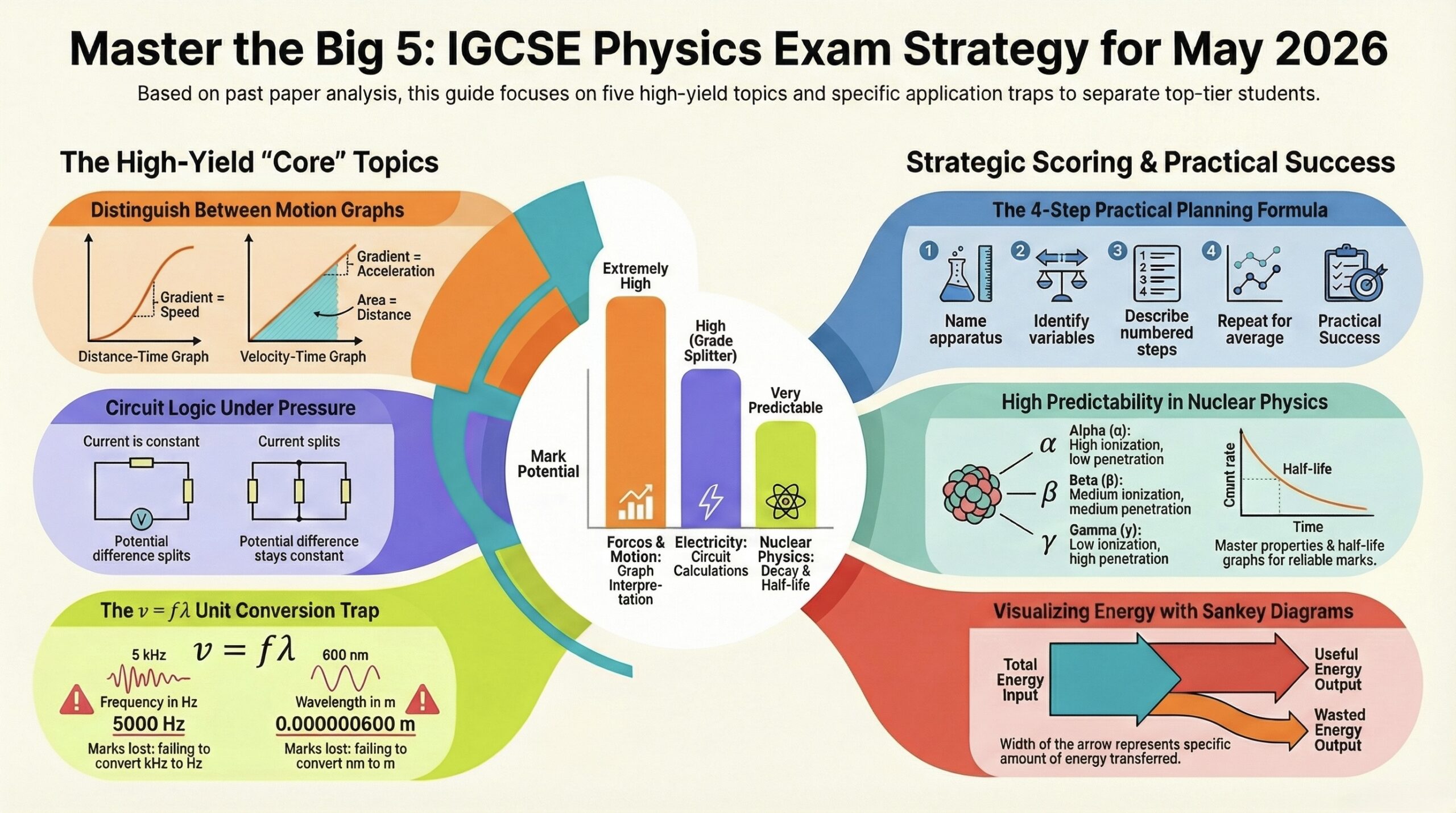
5 Powerful IGCSE Physics Topics to Master Before May
Spread the loveEight weeks out. Here are the five Physics topics most likely to cost you marks in May 2026, and exactly how to prepare for each one. By Muneeb Farooq ·…
-
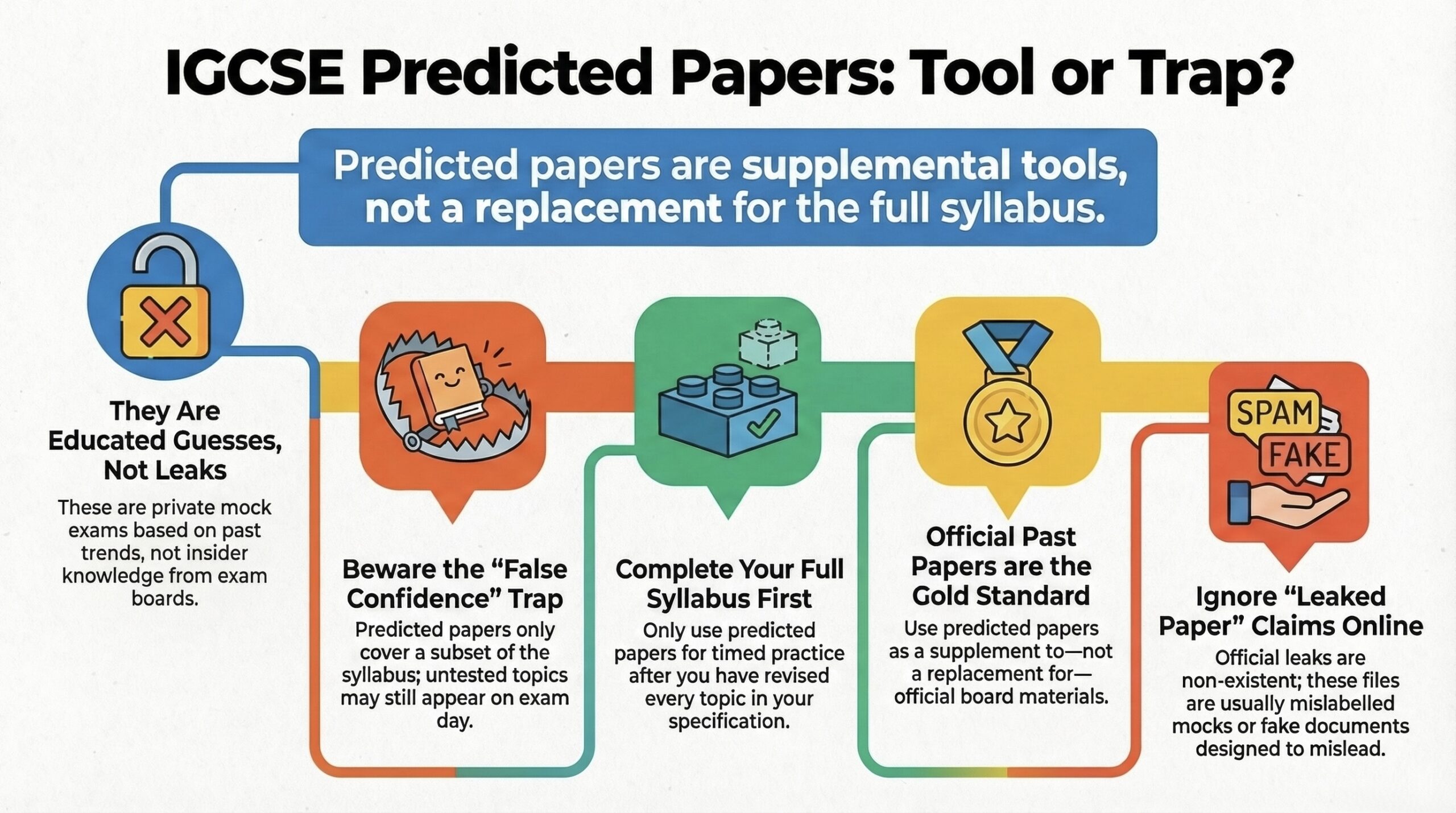
Are Predicted Papers Worth It? Honest IGCSE 2026 Truth
Spread the loveEvery student is searching for them right now. But do predicted papers actually help, or are they a dangerous distraction with 8 weeks to go? By Muneeb Farooq · March…
-

War Abroad, Schools Closed at Home: What Pakistani Students Must Do Now
Spread the lovePunjab has shut all schools until 31 March 2026. Your exams have not moved. Here is what every student and parent needs to know right now. By Muneeb Farooq ·…

Leave a Reply