
Congratulations, your child is growing up! The leap from primary school to middle school (Grades 6–8) is a massive milestone. It’s a world of new classrooms, multiple teachers, and shifting social circles.
If you’re feeling a bit overwhelmed, you’re in good company. Thousands of parents ask the same questions every year: How do I help them stay organized? How do I support them without overstepping? This guide is your roadmap to making the transition smoother for both of you.
1. Understanding the “Middle School Shift”
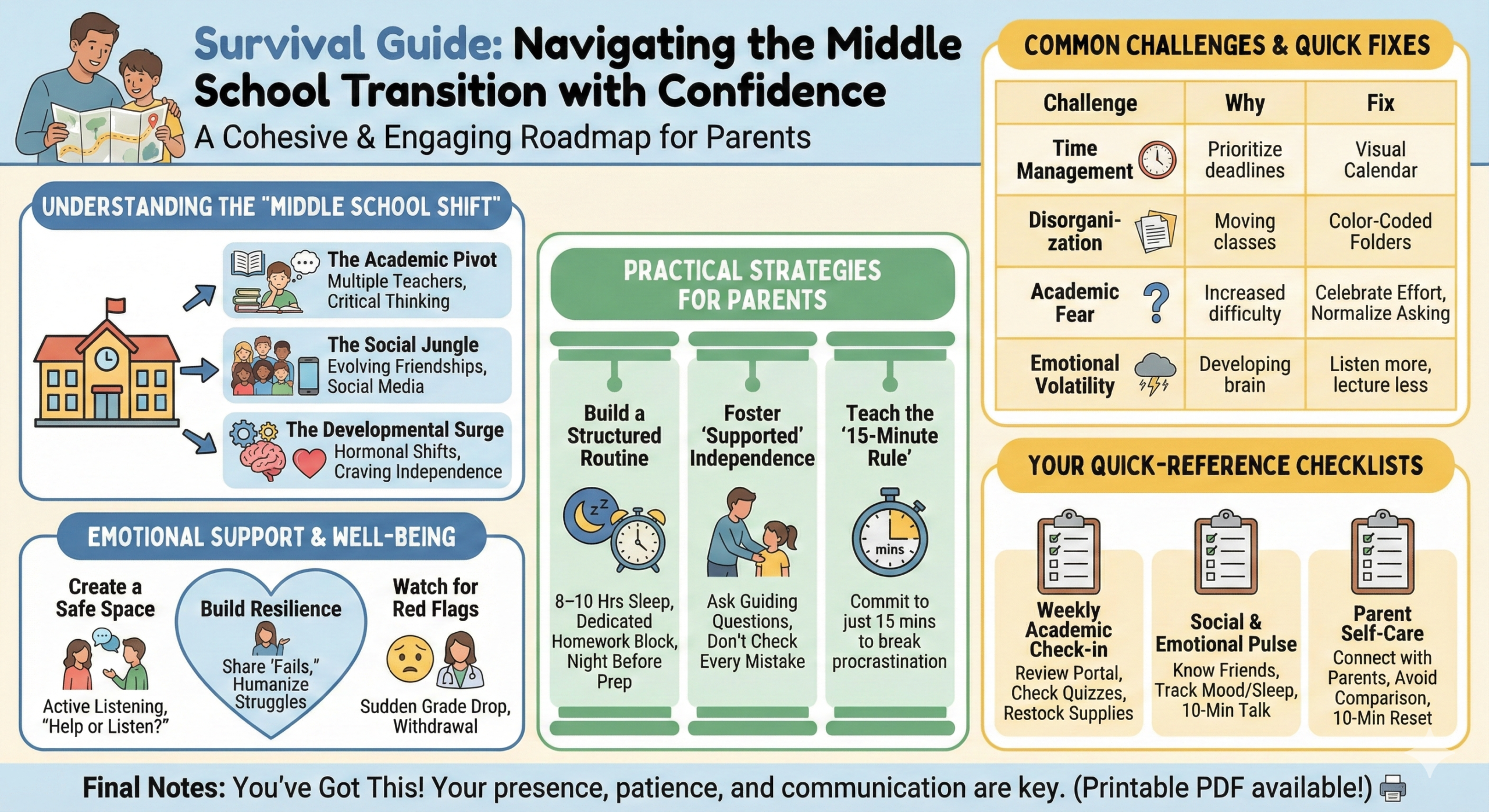
Middle school isn’t just “elementary school with harder books.” It’s a fundamental shift in three key areas:
- The Academic Pivot: Students move from a single-teacher environment to managing multiple personalities and teaching styles. Assignments shift from simple memorization to critical thinking and long-term planning.
- The Social Jungle: Friendships evolve rapidly. Your child is navigating increased peer pressure and the complex world of social media for the first time.
- The Developmental Surge: Hormonal shifts bring mood swings and a biological craving for independence—even while they still need your guidance.
2. Common Challenges (And Why They Happen)
Understanding the why behind the struggle is the first step toward solving it.
| Challenge | Why it Happens | Quick Fix |
| Time Management | They’ve never had to prioritize multiple deadlines before. | Use a visual whiteboard or family calendar. |
| Disorganization | Moving between classes makes it easy to lose track of papers. | Implement a color-coded folder system for each subject. |
| Academic Fear | The “jump” in difficulty can make previously high-achieving kids feel “dumb.” | Normalize asking for help; celebrate effort over perfect grades. |
| Emotional Volatility | The prefrontal cortex (the “logic” center) is still under construction. | Listen more than you lecture. Sometimes they just need to vent. |
3. Practical Strategies for Parents
To build a bridge to success, focus on these actionable pillars:
Build a Structured Routine
Structure reduces anxiety. Aim for 8–10 hours of sleep and a dedicated “homework block” (60–90 minutes) at the same time every day. Encourage the “Night Before Prep”—packing the bag and picking out clothes before bed saves morning sanity.
Foster “Supported” Independence
Instead of checking their homework for mistakes every night, ask guiding questions:
- “What’s your plan for that project due Thursday?”
- “What do you need to get done before dinner?”
Teach the “15-Minute Rule”
Procrastination is usually just fear of starting. Tell your child to commit to just 15 minutes of a tough task. Once the timer goes off, the “wall” is usually broken, and they find the momentum to continue.
4. Emotional Support & Well-Being
Middle school success isn’t just about the report card; it’s about the heart.
- Create a Safe Space: Practice active listening. If they come to you with a problem, ask: “Do you want me to help you solve this, or do you just need me to listen?”
- Build Resilience: Share your own “middle school fails.” It humanizes you and shows them that a bad grade or a social awkward moment isn’t the end of the world.
- Watch for Red Flags: While moodiness is normal, a sudden drop in grades, loss of interest in hobbies, or prolonged withdrawal may be signs that it’s time to reach out to a school counselor.
5. Your Quick-Reference Checklists
Keep these handy for those busy Sunday nights.
Weekly Academic Check-in
- [ ] Review the school portal for missing assignments.
- [ ] Check for upcoming quizzes or tests.
- [ ] Ensure all supplies (pens, paper, calculators) are restocked.
Social & Emotional Pulse
- [ ] Know your child’s close friends by name.
- [ ] Watch for changes in appetite or sleep patterns.
- [ ] Schedule 10 minutes of “device-free” talk time daily.
Parent Self-Care
- [ ] Connect with other parents (you’re in this together!).
- [ ] Avoid comparing your child’s progress to their peers.
- [ ] Take 10 minutes for your own mental “reset” daily.
Final Notes: You’ve Got This!
The middle school years are a bridge between childhood and young adulthood. There will be bumps, lost notebooks, and a few tears, and that’s okay. Your presence, patience, and open communication are the most powerful tools in your parenting kit.
Blog
This section provides an overview of the blog, showcasing a variety of articles, insights, and resources to inform and inspire readers.
-
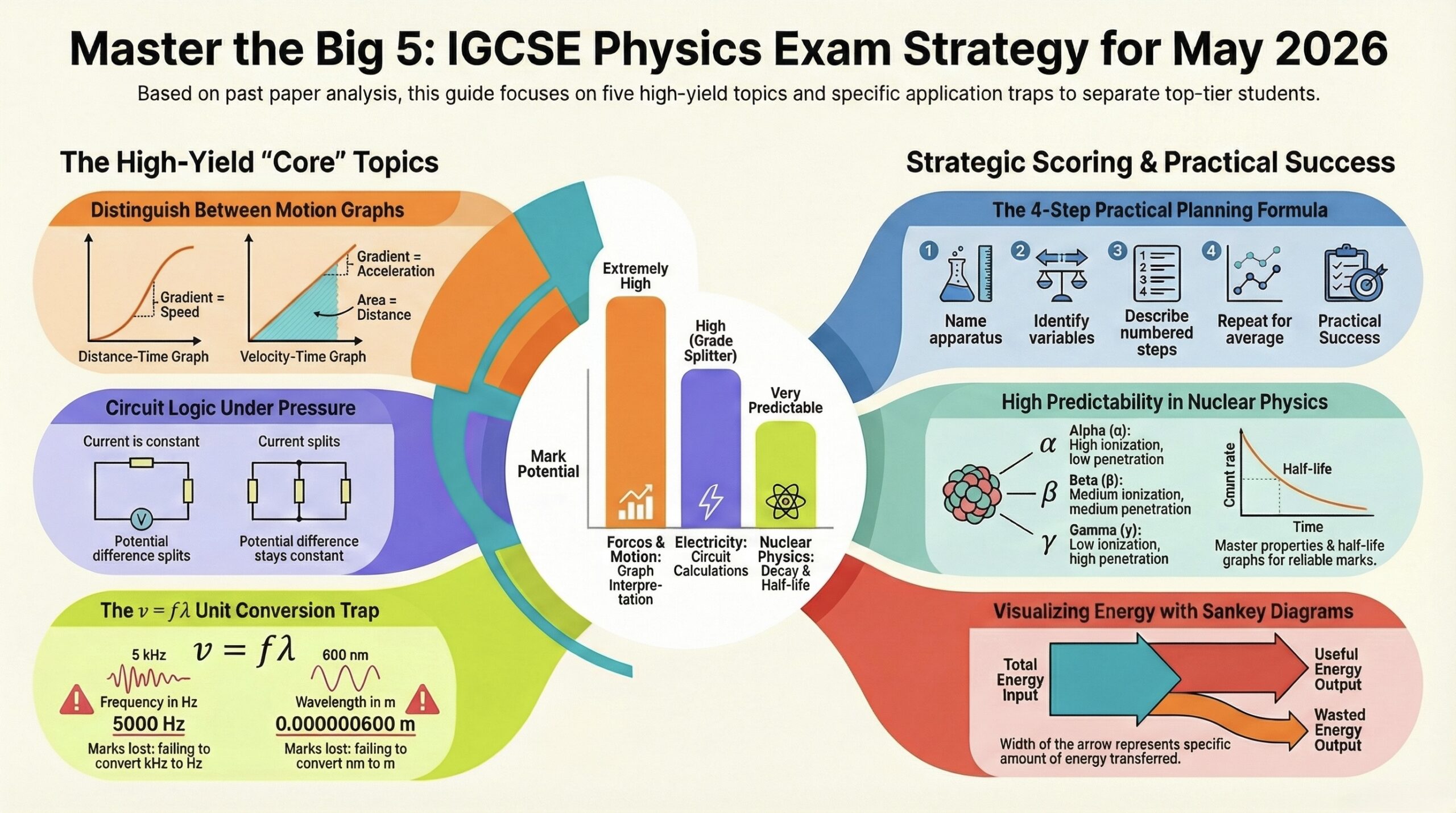
5 Powerful IGCSE Physics Topics to Master Before May
Spread the loveEight weeks out. Here are the five Physics topics most likely to cost…
-
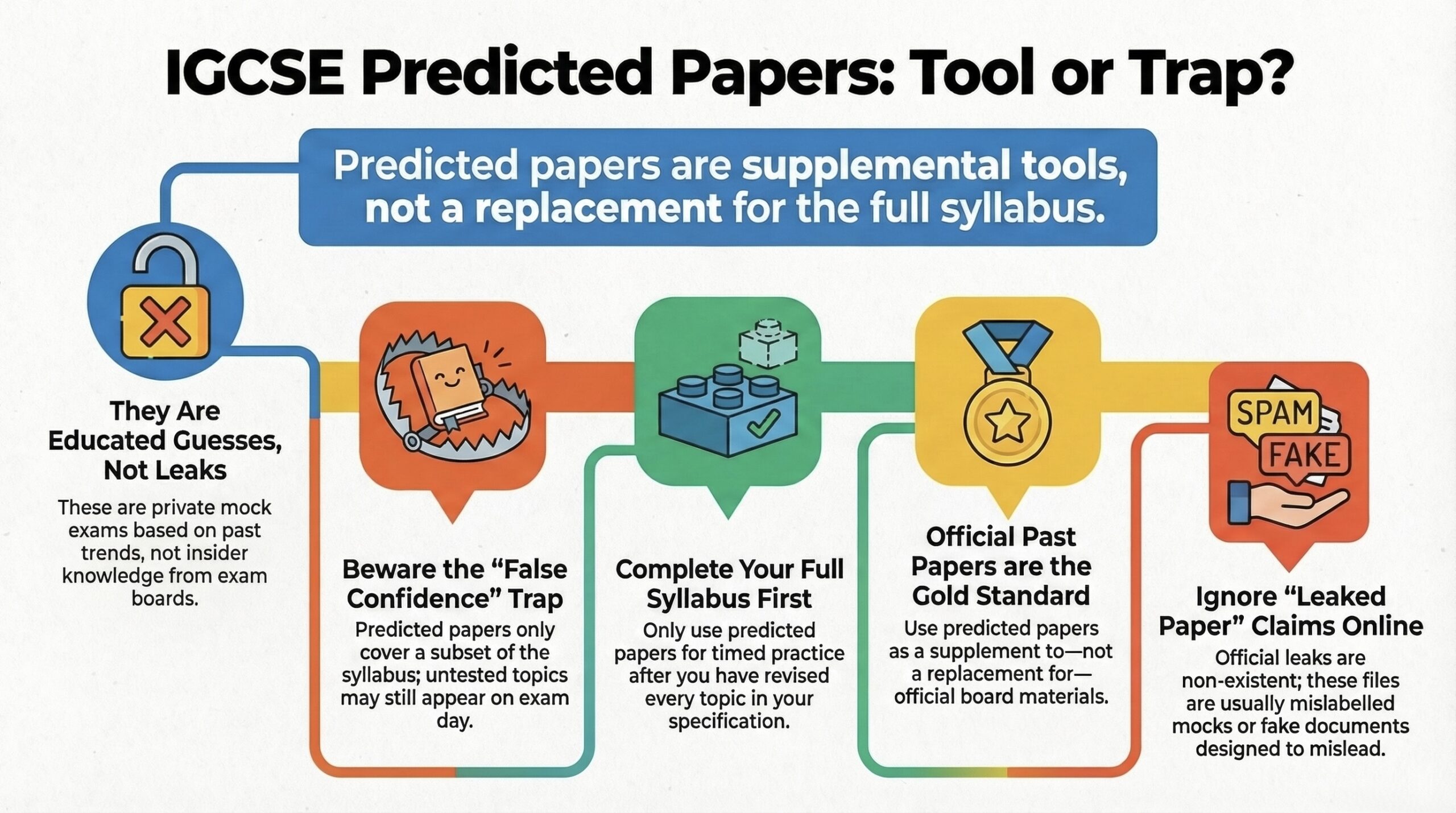
Are Predicted Papers Worth It? Honest IGCSE 2026 Truth
Spread the loveEvery student is searching for them right now. But do predicted papers actually…
-

War Abroad, Schools Closed at Home: What Pakistani Students Must Do Now
Spread the lovePunjab has shut all schools until 31 March 2026. Your exams have not…

Leave a Reply