
Finding a home tutor is easy. Finding the right home tutor is a challenge.
As a parent, you aren’t just looking for someone to help with homework; you are looking for a mentor who can simplify complex concepts and boost your child’s confidence. But where do you start? And how do you know if you are being overcharged or under-serviced?
Here is the step-by-step guide to hiring a professional home tutor, including a few industry secrets that most agencies won’t tell you.
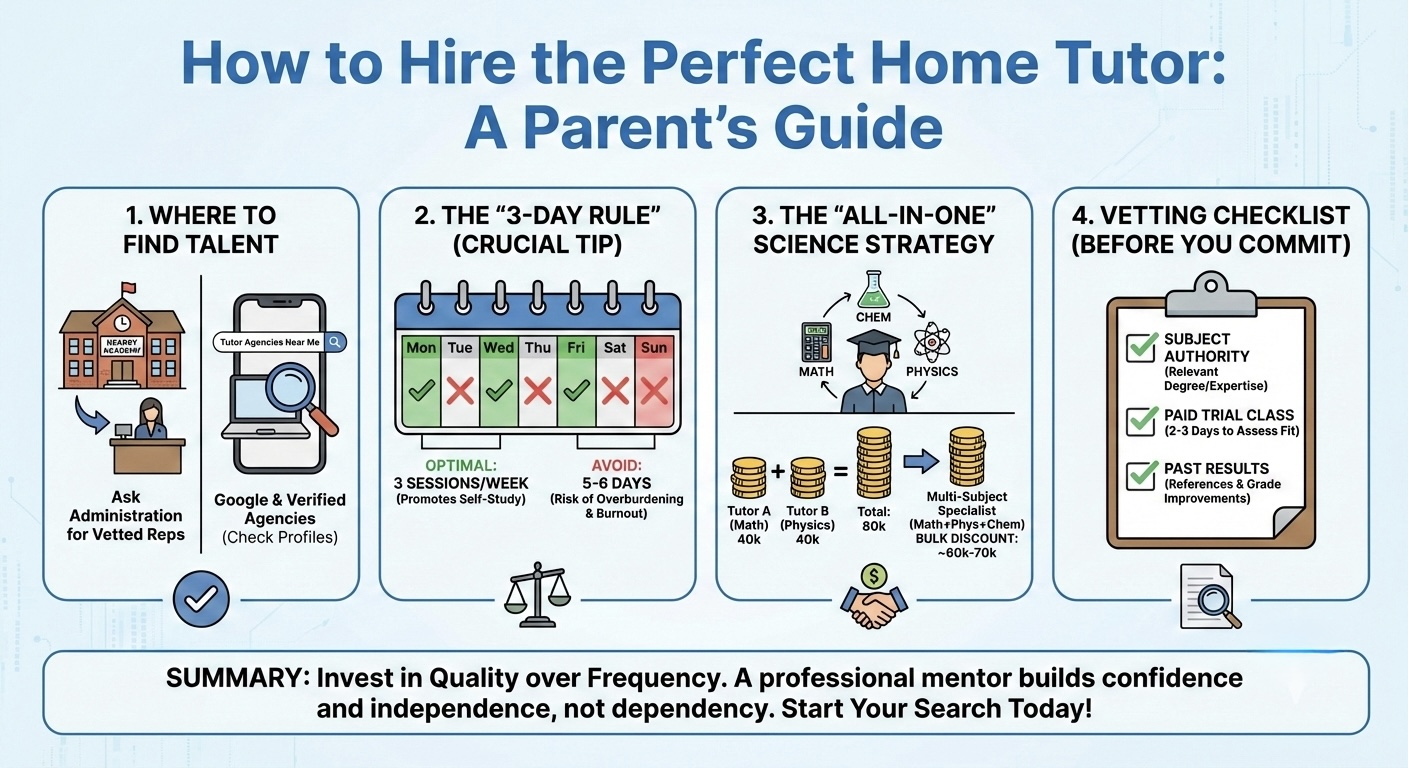
1. Where to Find Hidden Talent
Don’t just rely on word-of-mouth. There are two reliable places to find serious educators:
- The Local Approach (Nearby Academies): Walk into a reputable academy in your area and ask the administration for recommendations. Academies already filter for quality, so their top teachers are usually safe bets for home tuition.
- The Digital Approach (Agencies & Google): A quick Google search for “tutor provider agencies near me” will yield results. However, always ask for a profile or CV before agreeing to a meeting. Professional agencies will always have a roster of vetted candidates.
2. The “3-Day Rule” (Crucial Tip)
Here is a secret: An experienced, professional tutor will rarely agree to teach 5 or 6 days a week.
If a tutor insists on coming daily, it is often a sign of inexperience.
- The Professional Standard: Expert tutors usually schedule 3 sessions per week. This allows the student time to practice concepts independently (self-study) between lessons.
- The Risk of Overburdening: spoon-feeding a child 5-6 days a week creates dependency. It prevents them from developing their own problem-solving skills and leads to burnout.
Verdict: Quality beats quantity. Three focused days are better than six days of “babysitting.”
3. The “All-in-One” Science Strategy
Instead of hiring three different people; one for Math, one for Physics, and one for Chemistry, look for a Science Specialist.
A qualified science tutor (usually with an engineering or pure sciences background) can effectively teach Mathematics, Physics, and Chemistry (and often Biology) up to the O/A Level standard.
The Financial Benefit: Bulk Discounts
Hiring one tutor for multiple subjects is not just easier to manage logistically; it saves you money.
- Scenario A: You hire two separate tutors. You might pay 40,000 for Math and 40,000 for Physics. Total: 80,000.
- Scenario B: You hire one specialist for both subjects. Since you are offering them more hours in one location, you have leverage. You can often negotiate a package deal of 60,000 to 70,000 for both subjects.
Result: You save money, and the tutor gets a worthwhile contract. It’s a win-win.
4. Vetting Your Tutor: The Checklist
Before you say “yes,” ensure the tutor checks these boxes:
- Subject Authority: Do they have a degree in the field? (e.g., A Math tutor should ideally have a BS in Math or Engineering).
- Trial Class: Always ask for a paid trial class (2–3 days). This helps you see if the tutor’s teaching style matches your child’s learning pace.
- Past Results: Ask for references or evidence of previous students’ grade improvements.
Summary
Hiring a tutor is an investment in your child’s future. Look for professionals who value self-study, offer multi-subject expertise, and respect your child’s mental energy.
Ready to find the right mentor? Start your search today and focus on quality over frequency.
Blog
This section provides an overview of the blog, showcasing a variety of articles, insights, and resources to inform and inspire readers.
-
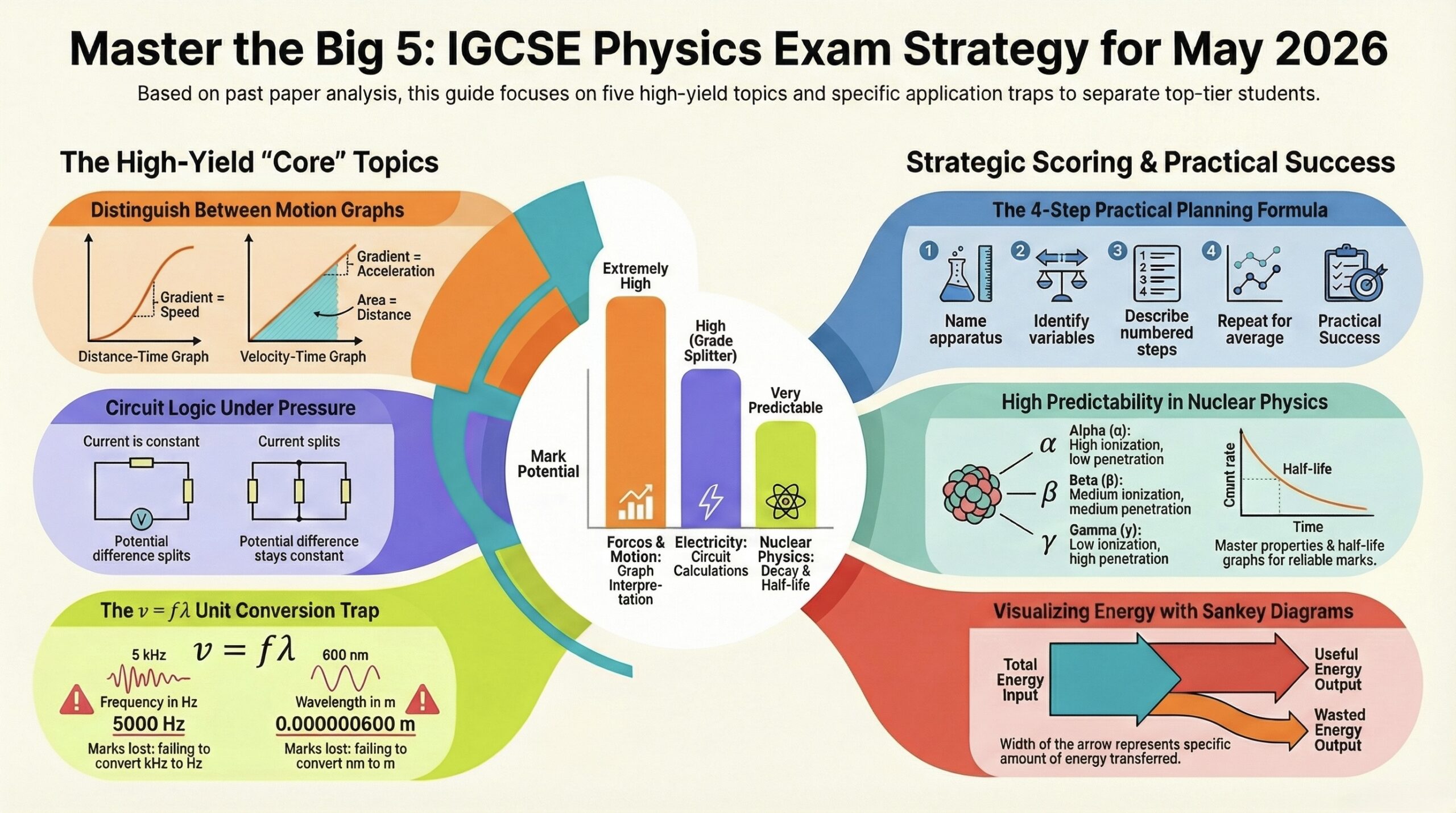
5 Powerful IGCSE Physics Topics to Master Before May
Spread the loveEight weeks out. Here are the five Physics topics most likely to cost…
-
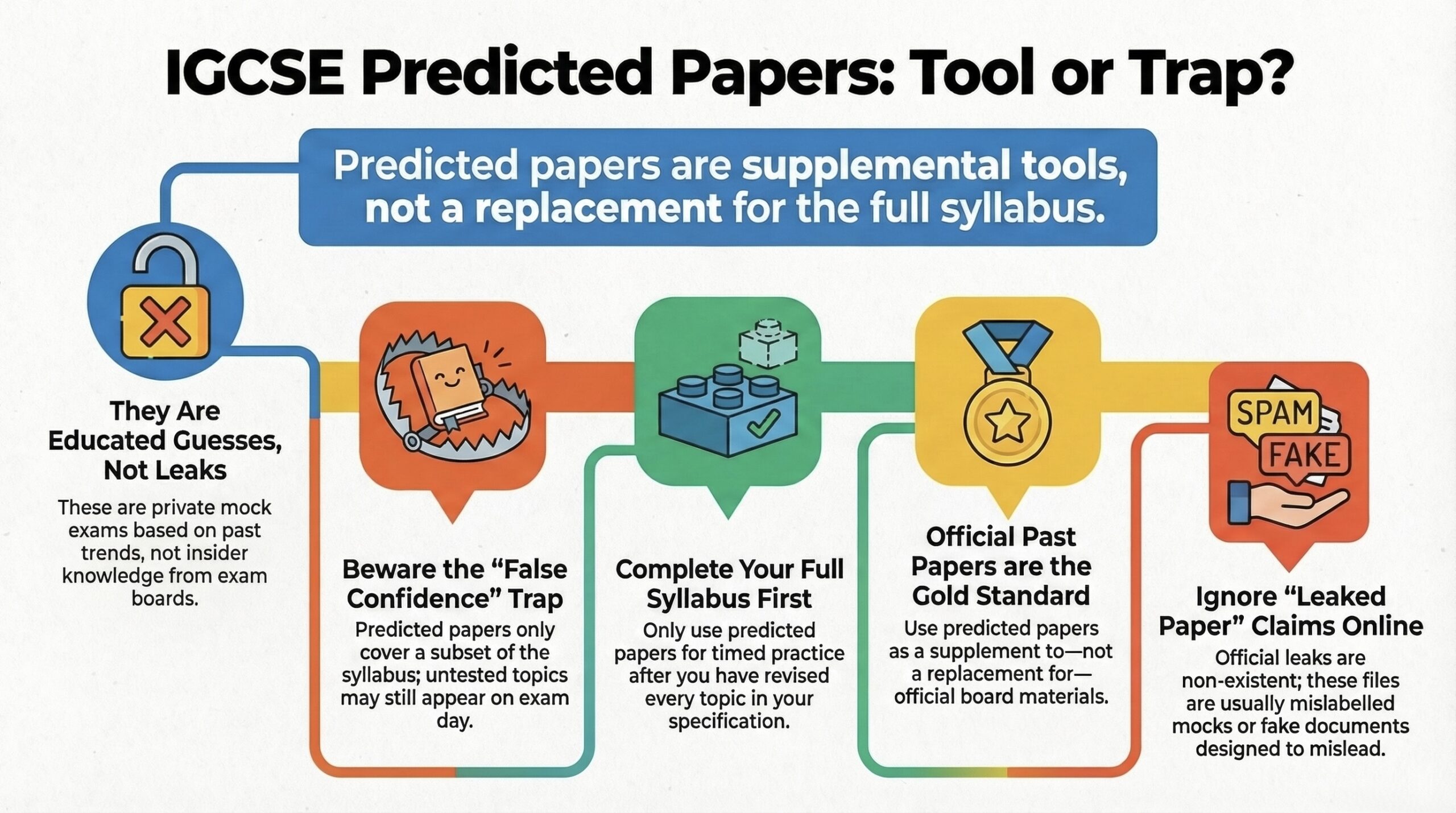
Are Predicted Papers Worth It? Honest IGCSE 2026 Truth
Spread the loveEvery student is searching for them right now. But do predicted papers actually…
-

War Abroad, Schools Closed at Home: What Pakistani Students Must Do Now
Spread the lovePunjab has shut all schools until 31 March 2026. Your exams have not…

Leave a Reply