
Making your IGCSE subject choices is one of the most important academic decisions you will face. These selections don’t just shape your daily timetable; they lay the foundation for your A-Level options, university applications, and future career paths.
In this guide, we will explore how to strategically select your subjects, understand the critical differences between Core vs. Extended tiers, and avoid the common pitfalls that can cost you valuable marks on exam day.
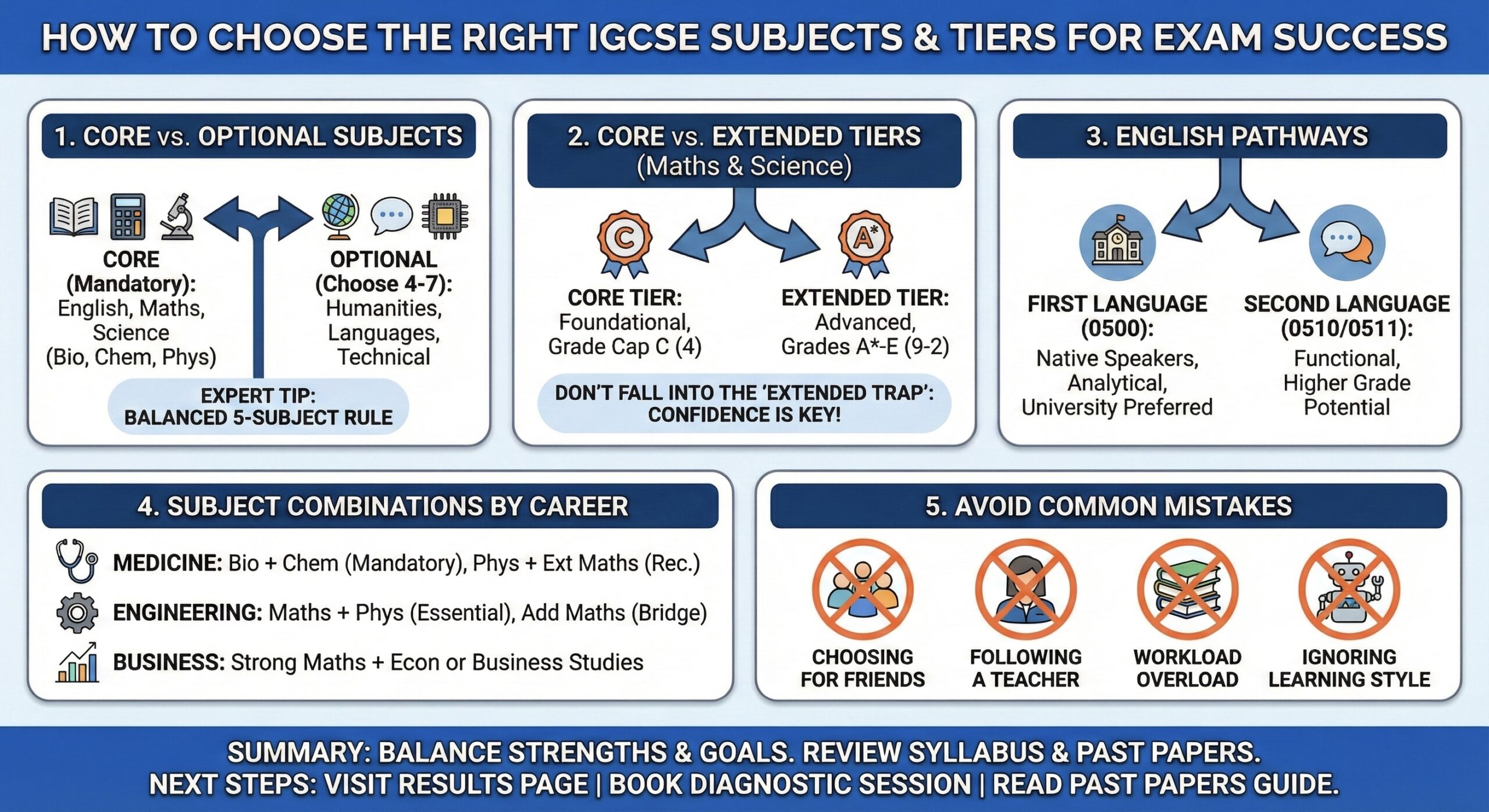
1. Understanding the IGCSE Structure: Core vs. Optional
Most schools require students to take between 7 and 10 subjects. To ensure a well-rounded profile for university, your subjects are usually split into mandatory “core” subjects and optional choices.
- Mandatory Subjects: Usually include English, Mathematics, and at least one Science (Biology, Chemistry, or Physics).
- Optional Subjects: You can choose from Humanities (Economics, Business), Languages, or Creative/Technical subjects like Computer Science.
Expert Tip: Universities love balanced profiles. Use the “5-Subject Rule”—ensure you have a mix of Language, Maths, Science, and Humanities to show both analytical and communication skills.
2. Demystifying IGCSE Core vs. Extended Tiers
For subjects like Mathematics and the Sciences, you must choose between two levels. Choosing the wrong one is a common mistake that can limit your grade before you even pick up a pen.
The Core Tier
- Designed for foundational concepts.
- Grading Cap: The highest grade you can achieve is a C (or a 4).
The Extended Tier
- Includes advanced, in-depth content for those aiming for top marks.
- Grading Range: Allows for the full range of grades, from A* to E (or 9 to 2).
Don’t Fall Into the “Extended Trap”: Many students believe Extended is always better, but if you struggle with the content, you may end up with a lower grade than if you had mastered the Core paper. Confidence is key to exam success.
3. English Pathways: First vs. Second Language
Your choice of English code (0500 vs. 0510/0511) directly impacts university recognition:
- First Language English (0500): Aimed at native or near-native speakers. It requires sophisticated analysis and is highly preferred for competitive degrees like Law or Medicine.
- English as a Second Language: Focuses on functional communication. It is often a smarter choice if it allows you to secure an A* rather than struggling for a C in First Language.
4. Subject Combinations by Career Path
If you have a goal in mind, work backward to choose your IGCSEs:
- Medicine: Biology and Chemistry are mandatory. Physics and Extended Maths are highly recommended.
- Engineering: Mathematics and Physics are essential. Take Additional Maths to bridge the gap to A-Level.
- Business & Finance: Combine strong Maths with Economics or Business Studies.
5. 4 Common Mistakes to Avoid
- Choosing for Friends: Your academic path is unique; don’t pick a subject just because your friend is in the class.
- Following a Teacher: Choose the content, not the person teaching it.
- Workload Overload: Balance essay-heavy subjects (History/English) with logic-based subjects (Maths/Physics) to avoid burnout.
- Ignoring Your Style: If you are a hands-on learner, ensure you include practical sciences or technical subjects.
Summary & Next Steps
Choosing the right subjects is about balancing your current strengths with your future goals. Before you lock in your choices, review the official syllabus and look at past papers to see what the exam actually looks like.
Recommended Next Steps
- Not sure which tier is right for you? Book a Diagnostic Session where we can identify your current level in Maths, Physics, or Chemistry and create a roadmap for your IGCSE success.
- Read More: Check out our guide on GCSE Maths Topics Ranked: Easiest to Hardest to start your revision the right way.
Blog
This section provides an overview of the blog, showcasing a variety of articles, insights, and resources to inform and inspire readers.
-
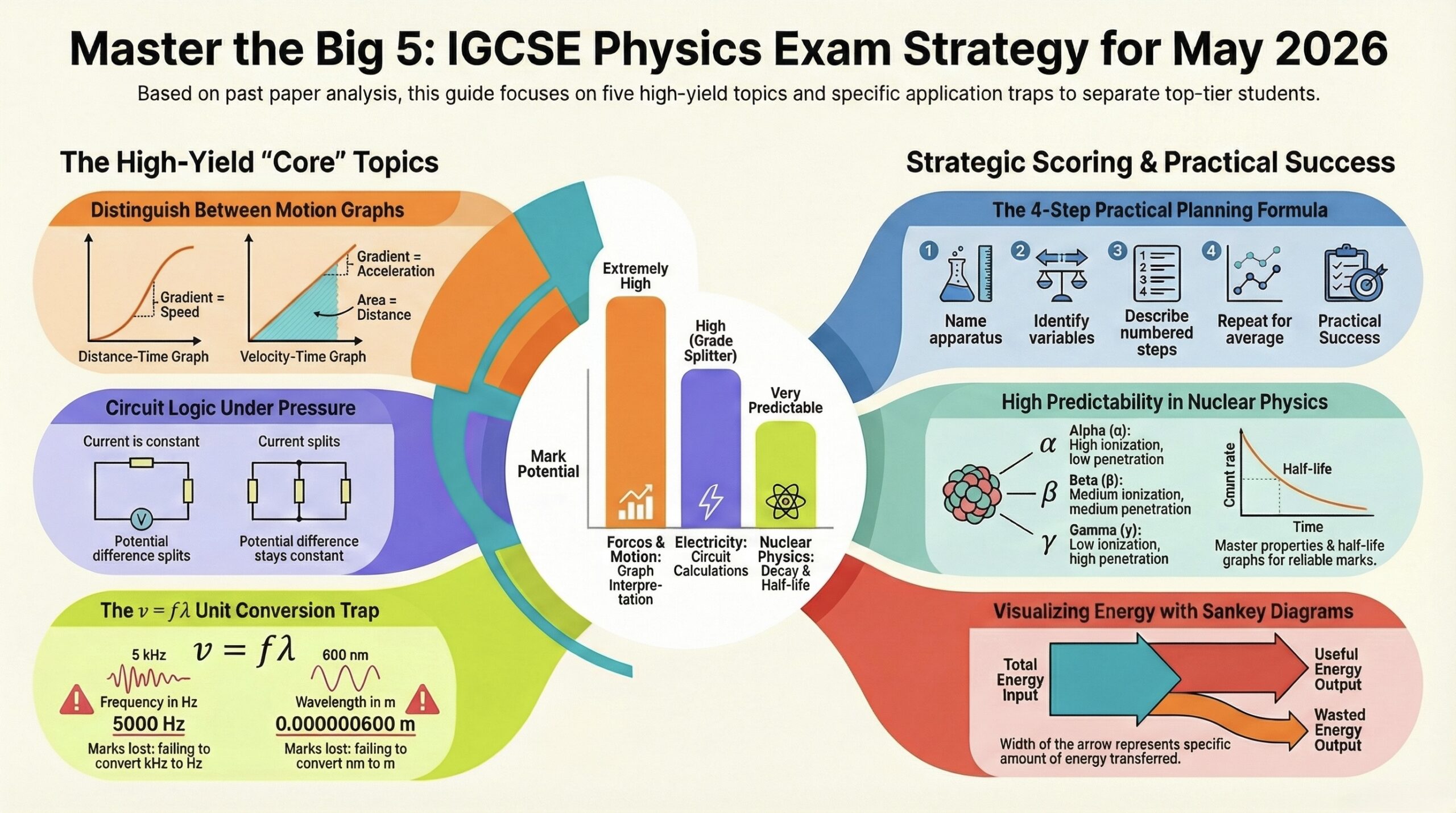
5 Powerful IGCSE Physics Topics to Master Before May
Spread the loveEight weeks out. Here are the five Physics topics most likely to cost…
-
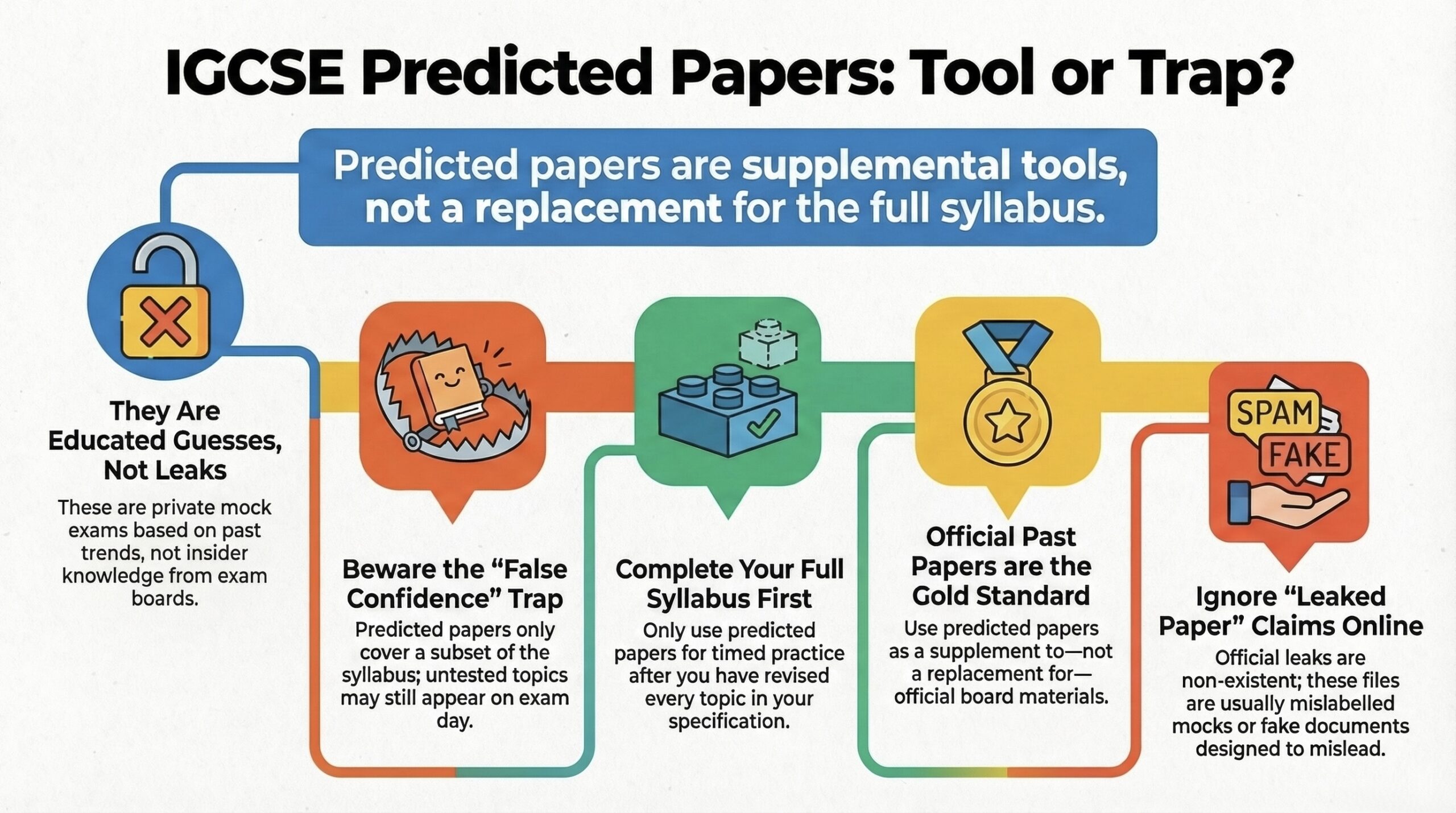
Are Predicted Papers Worth It? Honest IGCSE 2026 Truth
Spread the loveEvery student is searching for them right now. But do predicted papers actually…
-
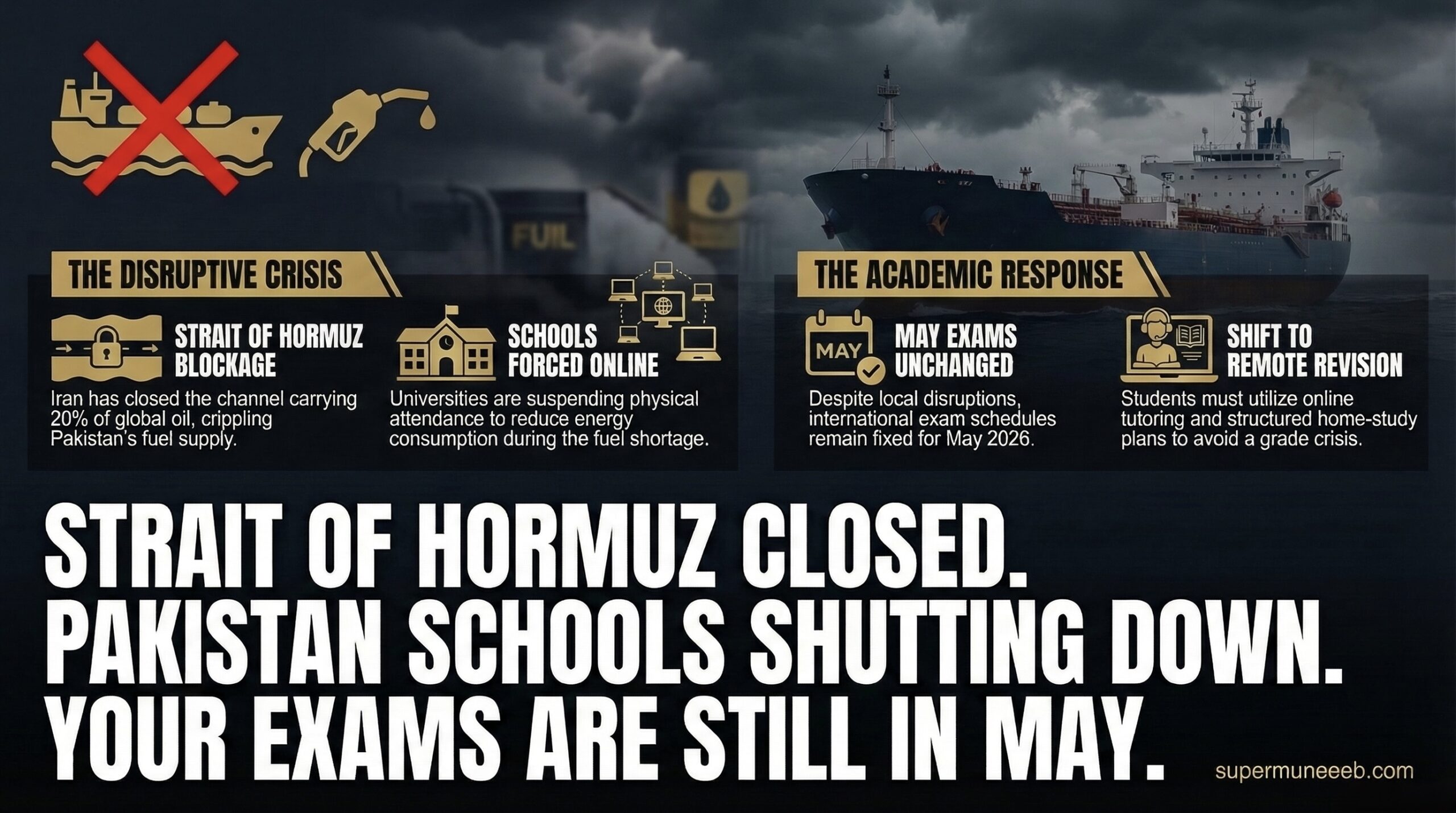
War Abroad, Schools Closed at Home: What Pakistani Students Must Do Now
Spread the lovePunjab has shut all schools until 31 March 2026. Your exams have not…

Leave a Reply